
How You're Budget Traveling
in 2026
Budget traveling has been a trending topic heading into 2026. So many people, Gen Z especially, are looking for and coming up with innovative ways to see the world while not breaking the bank. As a 20-year-old-something, I’ve known for a few years now how important it is for me to travel and learn more about the world. Along with that, I also know that I don’t have the funds to pay for luxury travel—which means that I’ve had to do my own research, trial and error, and be a little more creative.
While there is a surplus amount of surface level tips and confusing information on how people are actually budget traveling in 2026, I want to get straight to the point and share what I’ve done to budget travel and still continue to do to save for my next adventure.
In this blog post I’ll be sharing insight on budget-friendly tips for airfare, accommodation, activities, and ways to get more cultural immersion and meet others while traveling.
If you’re wondering about the essentials you’ll need to pack on your next adventure check out my blog on solo travel essentials for 2026.
Disclaimer: This post contains affiliate links, which means I may earn a small commission at no extra cost to you. #commissionsearned
photo: Rebe Adelaida on Unsplash
Start Off By Looking At Flights
Most people who want to do budget traveling often go about it completely wrong. They think of a destination they’ve been longing to visit, and then work everything out around that, but when budget traveling, you’re going to want to plan from the bottom up.

photo: Philip Myrtorp on Unsplash
Pack Light
Any backpacker will tell you that bringing your whole closet and some items is a no-go. Listen to me when I tell you if you think you’re overpacking—you are. When you’re getting to and from a location, it is a huge hassle, and literally painful, to lug around 60+ pounds of all the little things you thought you’d use but don’t.
Compare Transportation Options
Thankfully, there are so many ways to cost-effectively travel in 2026. Look into public transport in the city you’re visiting by using a local website (you can easily translate it into English), asking around, or going to the public transit station and finding information there.
Additionally, some of the apps I’ve used that have saved me loads of time and money are Omio, Rome2Rio, and Viator. I’ve found these apps to be reliable and very easy to navigate. Omio and Rome2Rio have location recommendations for affordable transit and ticket validation—so you don’t have to worry about any extra steps.
Viator has cheap ride shares from and to airports with different drop-off/pick-up locations, and when I say cheap I mean I’ve found some that are around $5 USD.Check out my collection of recommended affordable ride shares below and check to see what the options are for your location!
photo: Connor Wang on Unsplash
Do A Work Exchange
The platforms I’ve personally used are World Packers and TrustedHouseSitters, and they’re both great but offer different work exchange opportunities. World Packers is more hands-on and work-focused, while TrustedHouseSitters is much less demanding but requires more of your physical presence. I highly recommend both, but just be considerate of the kind of trip you’re looking to have.
Slow Travel
If you are able to be flexible enough to travel weeks to months at a time, you will actually save way more in the long run. Slow travel is focusing on one or a couple locations over a longer period of time rather than seeing as much as possible in a shorter timeframe.
You’ll save money on transportation, you’ll have more opportunity to create your own travel community, and you get to know more about the local life in the area you’re in. Additionally, whether you’re paying for a hostel or Airbnb, most stays offer discounts for longer stays.
In my slow travel experiences, I’ve had the opportunity to build friendships, make connections, learn new recipes, and actually familiarize myself with aspects of life in another country.
Don't Eat Out Every Night
One of the most underrated budget tips is cooking over eating out. I know you’re going abroad and want to experience authentic food in whatever city you’re in and I’m not telling you to not to experience that, I’m just telling you to eat out less.
Many travelers forget that a part of experiencing a culture is getting a glimpse at what the locals there do—surprise, they aren’t eating out every night.
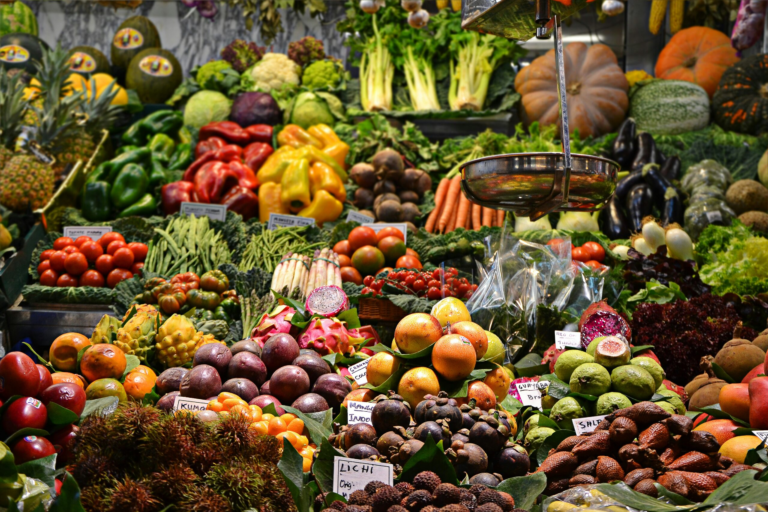
photo: Jacopo Maiarelli on Unsplash
Create A Budget Tracker
If you’re a logistics or visual person, you need to create a travel budget tracker or, better yet, use one that’s already out there. Using a tool to track my daily spending has allowed me to fully understand what I do and do not have space to budget for. It’s a great way to compare what your typical living expenses are to what your travel expenses are—it also gives you a great foundation to start from if you’ve never budget tracked.
Look Into Free Events
A misconception of traveling is that you have to spend money on every activity you do, but there are so many free events you can do that create unforgettable memories. People tend to overlook how many local activities, such as markets, live music, or art festivals, there are going on in the city they’re visiting.
I’ve found free activities utilizing a few different avenues. I’ll first start with an online browse; I’ll look up “things to do in X (the city you’re visiting)” then go through first-hand recommendations (not business recommendations, those are normally sponsored posts and biased). I’ll note the frequency I see an activity mentioned and do the same process with other travel blogs.
Use Cash
I know how difficult it can be to carry cash in this digital age we live in. However, you’ll save money using cash while traveling, and depending on the country, it might be the only acceptable form of payment in rural locations.
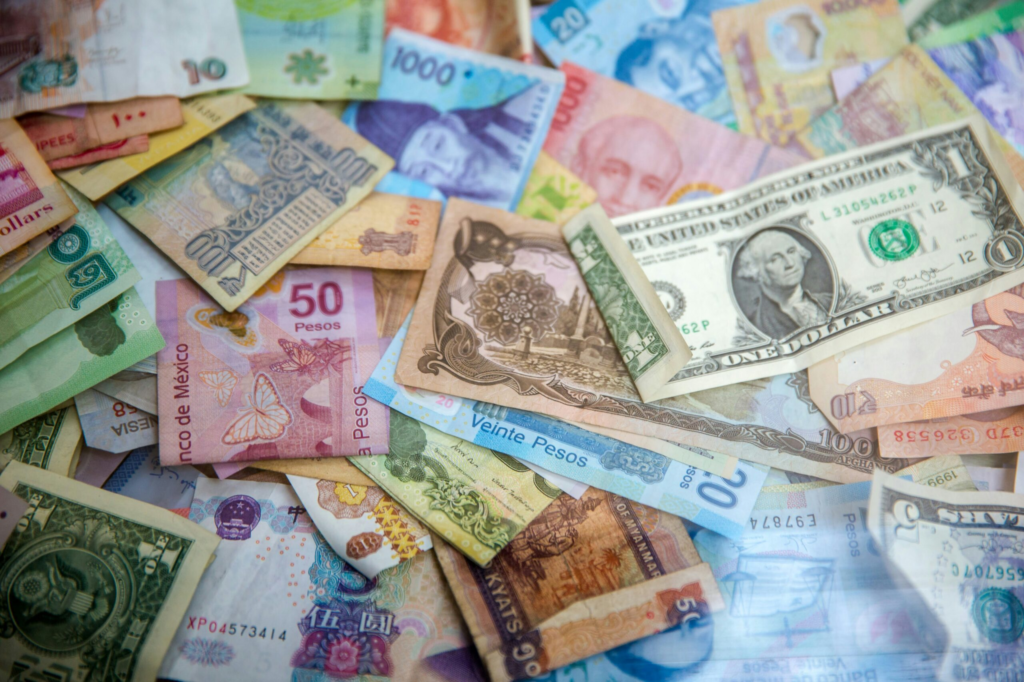
photo: Jason Leung on Unsplash
Bring Reusable Products
Reusable products are the key to not overspending on essential items and avoiding a surplus amount of waste.
The most important reuseable product you must pack is a water bottle. I have a LifeStraw water bottle which is incredible for ensuring that regardless of the country I’m visiting, I’ll have filtered drinkable water. There are different options such as this stainless steel one I’ve linked, LifeStraw water filters, LifeStraw collapsible squeeze bottles, and many others. As you’re getting familiar with an area, especially initially, figuring out where to get drinkable water can be challenging, so take some of the stress off of yourself by ensuring you’ll always have safe water to drink.
Other reusable products that have saved me money are Reusable Makeup Round Removers, Refillable Toiletry Kits, and an Organic Menstrual Cup.
Open a Travel Card
I have never had a credit card until I opened my travel credit card. I know that there’s a lot of skepticism about opening up credit cards, but I do suggest that you look into one solid credit card to build your credit and earn points for travel.
When I decided to go with the travel credit card I went with, I compared it to numerous other cards, looked into recommendations, researched the benefits of that credit card, then made an informed decision. My credit card is through Capitol One and I’ve saved so much on airfare. For insight, I just bought a flight to Guatemala for $50.
As you go about your day, and do your daily purchases, put it on your credit card then pay it off. This is going to give you so many travel points (since you’re already spending the money) which you can use towards airfare and save money on.
There are so many methods to budget traveling in 2026 while still creating meaningful and unforgettable experiences. Let me know if you’ve tried any of these methods to save while traveling. As always happy traveling and we’ll talk soon!
Your friend,
Trin Travels 🌍
Travel Coaching Options

Solo Travel Coaching Services